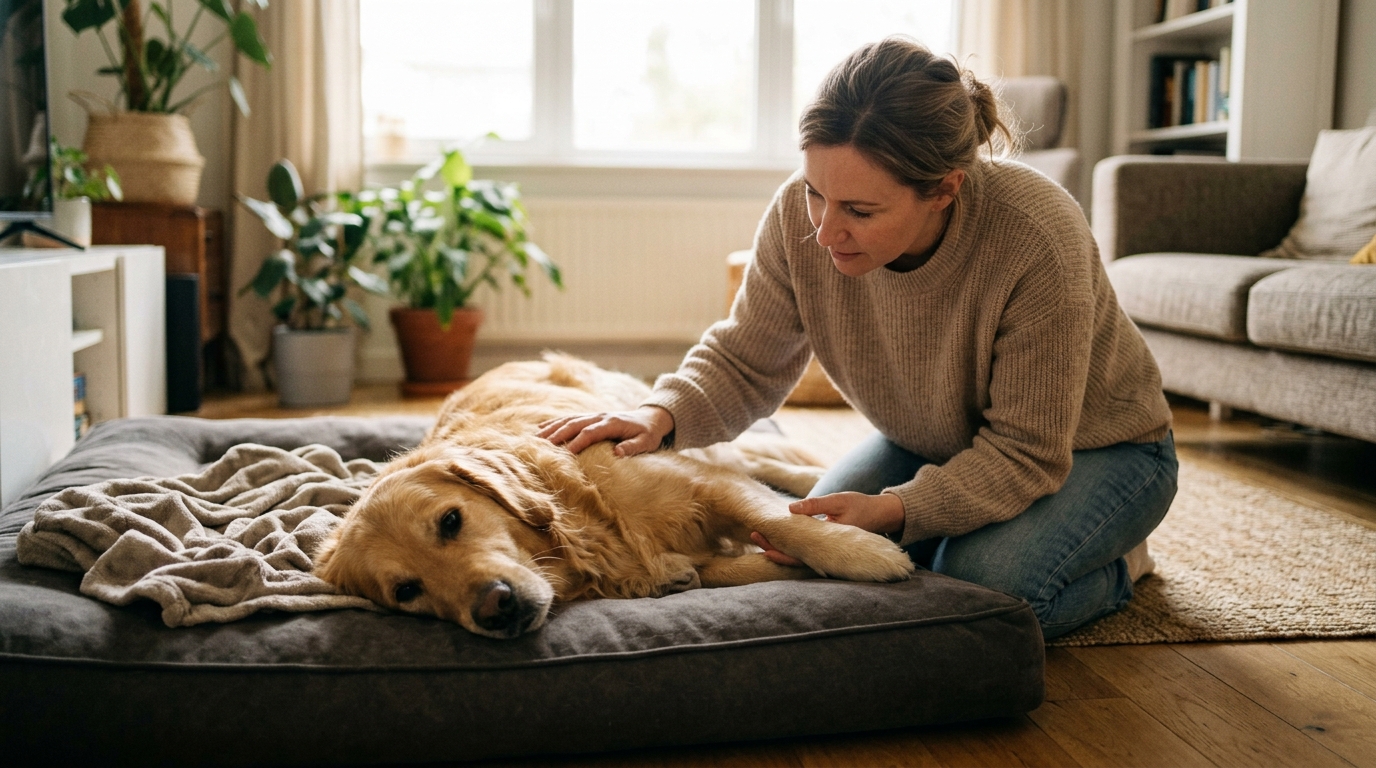
Is your dog coughing after a dog park visit? A new cough can worry any pet owner, especially when the dog recently played with unfamiliar animals. Although a cough does not automatically indicate a serious disease, dog parks create opportunities for respiratory infections to spread.
Dogs interact closely in off-leash areas. They sniff faces, share space, bark, and sometimes drink from communal bowls. These activities can increase exposure to infectious organisms, particularly when an ill dog visits the park.
However, not every cough comes from an infection. Airway irritation, allergies, heart conditions, and other health problems can produce similar symptoms.
This 2026 guide explains common reasons for coughing after a dog park visit, symptoms that deserve attention, and practical ways to reduce future exposure. It also helps owners understand when to contact a veterinarian and when to postpone another park outing.
Why Dogs May Start Coughing After Visiting a Dog Park
Dog parks bring unfamiliar animals together in a shared environment. That can create valuable opportunities for exercise, but it also increases contact between dogs with different health histories.
A respiratory illness may spread when infected dogs cough, sneeze, or have close contact with other animals. Contaminated objects and surfaces can also contribute to transmission.
Importantly, a cough that appears after a park visit does not prove that the dog became infected there. Symptoms may develop after an earlier exposure, and different illnesses have different incubation periods.
Canine infectious respiratory disease and kennel cough
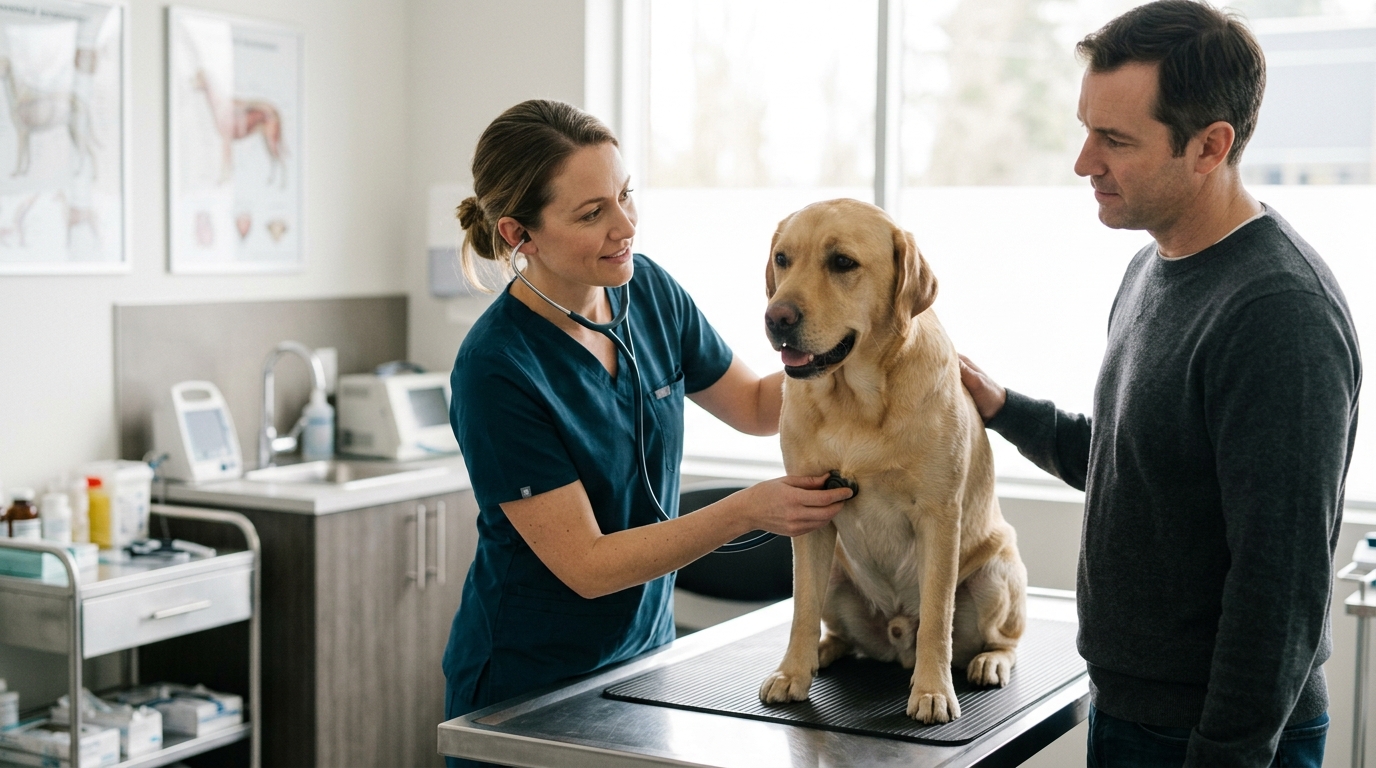
Canine infectious respiratory disease complex, or CIRD, describes respiratory illness that can involve several viruses and bacteria. People often use the term kennel cough for some forms of this illness.
Bordetella bronchiseptica is one possible cause. Other organisms may also contribute, which explains why veterinarians do not treat every coughing dog in exactly the same way.
Common signs include coughing, sneezing, nasal discharge, and reduced energy. Some dogs continue eating and playing normally, while others develop more significant symptoms.
Cornell University advises owners to monitor respiratory symptoms carefully and limit exposure to other dogs when illness may be circulating.
How respiratory infections spread between dogs
Dogs can encounter infectious organisms through close contact, respiratory droplets, and contaminated equipment.
For example, an infected dog may cough near another dog during play. Shared toys or water containers may also create opportunities for exposure.
Crowded conditions increase the number of interactions that owners must monitor. Poor ventilation can add concerns in enclosed environments.
Nevertheless, outdoor parks do not eliminate transmission risks. Dogs may still interact nose-to-nose or gather around the same objects.
Review our Dog Park Safety Guide before planning another off-leash visit.
Why vaccination does not eliminate every risk
Vaccination helps protect dogs against important infectious diseases. However, no single vaccine prevents every possible cause of canine respiratory illness.
Your veterinarian may recommend additional vaccines based on your dog’s lifestyle, age, health, geographic area, and exposure to other animals.
Dogs that frequently attend parks, boarding facilities, daycare, or group training may face different exposure risks than dogs that mainly stay home.
Ask your veterinarian whether your dog’s routine and lifestyle-based vaccinations remain appropriate.
Keep accurate vaccination records and follow the recommended schedule. Avoid treating vaccination as permission to bring a coughing dog into a communal play area.
Warning signs that require veterinary attention
Some dogs develop a mild cough and otherwise appear comfortable. However, other symptoms suggest a more urgent medical problem.
Contact your veterinarian when your dog develops a new or persistent cough, especially after contact with unfamiliar dogs.
Describe the symptoms, recent activities, vaccination history, and any known exposure to sick animals. The veterinary clinic may provide special arrival instructions to reduce the risk of infecting other patients.
Do not wait for symptoms to become severe before asking for advice if your dog has an existing medical condition or appears unusually unwell.
When coughing becomes an emergency
Seek emergency veterinary care if your dog struggles to breathe, develops blue or unusually pale gums, collapses, or shows severe breathing distress.
Rapid or labored breathing, marked weakness, and concerning changes in alertness also deserve urgent attention.
Do not force exercise or encourage vigorous play when your dog has difficulty breathing.
Veterinarians may recommend diagnostic testing based on the examination and symptoms. Treatment depends on the cause and severity of the condition.
Never give human cough medicines or leftover antibiotics without veterinary instructions. Some medications can harm dogs or complicate treatment.
Our Dog Park Health and Emergency Guide offers additional preparation advice for unexpected health concerns.
How to Prevent Illness and Return Safely to the Dog Park
Preventing every infection is impossible, but thoughtful decisions can reduce unnecessary exposure.
Start by choosing parks that appear clean, provide adequate space, and encourage responsible owner supervision.
Observe the dogs before entering. If several animals are coughing, sneezing repeatedly, or appearing ill, consider another activity.
Owners should also keep their own dogs home when they display symptoms that might indicate infection.
A quiet walk or indoor enrichment activity offers exercise without exposing other dogs to a possible contagious illness.
Build a healthier dog park routine
Before leaving home, check your dog’s energy level, appetite, breathing, and general behavior.
If your dog seems unusually tired, uncomfortable, or unwell, postpone the visit.
Bring fresh drinking water and a clean portable bowl. Avoid sharing toys or chews with unfamiliar dogs, particularly when respiratory illness is a concern.
Choose less crowded visiting times when possible. Shorter, well-supervised play sessions also give owners more opportunities to notice fatigue or changes in behavior.
Keep your dog’s preventive veterinary care current and follow local park vaccination requirements.
What to clean after an outing

Clean reusable water bowls, toys, and other equipment according to the manufacturer’s instructions.
Wash your hands after handling waste or cleaning potentially contaminated items.
Inspect your dog for injuries, ticks, and unusual symptoms after returning home. However, remember that an infectious respiratory disease may not cause immediate symptoms.
Monitor your dog over the following days, especially if you learn that another dog from the park became ill.
Routine cleaning supports hygiene, but aggressive bathing or unnecessary disinfectant use will not guarantee protection from respiratory infections.
Use only cleaning products that are appropriate for pets and keep dogs away from chemicals until surfaces are safe.
Our Dog Park Etiquette Guide explains how responsible owners can support cleaner and more respectful shared spaces.
If your dog develops a cough, stop visits to dog parks, daycare facilities, boarding environments, and other group settings until your veterinarian advises that returning is appropriate.
Do not assume that your dog stops being contagious immediately when the coughing improves. Different infections have different contagious periods.
The safest return date depends on the diagnosis, symptoms, and veterinary guidance.
Tell your veterinarian if other dogs in your household develop symptoms. Depending on the situation, the clinic may recommend additional precautions to limit exposure.
If you share a home with several dogs, use separate bowls and equipment when a veterinarian recommends isolation measures.
Avoid introducing unfamiliar dogs into the household while you are managing a suspected contagious illness.
Owners should also recognize that coughing can have noninfectious causes. For example, irritation from smoke or airborne particles may trigger symptoms.
Heart or airway disease may also cause coughing, particularly in dogs with certain medical histories.
Therefore, a veterinary diagnosis matters more than assuming every cough is kennel cough.
Do not rely on internet videos alone to identify the cause. Different conditions can create similar sounds, including coughing, gagging, and reverse sneezing.
Recording a short video of your dog’s symptoms may help the veterinarian understand what happens at home, provided you do not delay urgent care.
Describe when the cough occurs, how often it happens, and whether exercise or excitement seems to make it worse.
Note any changes in eating, drinking, sleeping, and activity levels. These details may support the clinical assessment.
For official veterinary background, read Cornell University’s canine respiratory disease guidance.
The American Animal Hospital Association also recommends vaccination, hygiene, exposure reduction, and veterinary evaluation when respiratory symptoms occur.
Remember that responsible dog park use includes protecting the other animals who share the space.
A coughing dog may still appear eager to play, but excitement does not demonstrate that the dog is healthy or noncontagious.
Choose a quieter activity until the veterinarian confirms that returning is appropriate.
Other dogs may have greater vulnerability to respiratory illness because of age, underlying disease, or immune system concerns.
Keeping a possibly contagious dog away from group play can help protect those animals.
Likewise, avoid criticizing owners who decide to leave a crowded park or skip a visit because of health concerns.
Dogs do not need public off-leash play every day to maintain a healthy, enriching routine.
Leashed walks, scent games, training sessions, and carefully planned playdates can provide alternative physical and mental stimulation.
Read our guide to signs your dog should skip the park when deciding which activity best suits your pet.
Owners can also help improve community awareness by reporting significant health concerns to the appropriate park operator when relevant.
However, avoid spreading unverified claims about specific dogs or alleged local outbreaks.
Veterinary organizations and public health authorities provide more reliable information about confirmed disease developments.
If your veterinarian identifies a contagious condition, follow their advice about notifying relevant boarding facilities, daycare providers, or other people whose dogs may have had close contact.
Good communication helps others make appropriate decisions without unnecessary alarm.
Dog coughing after a dog park visit deserves attention, but it does not automatically signal a dangerous infection.
Look for accompanying symptoms, consult a veterinarian when a new cough develops, and act urgently when breathing problems occur.
Keep vaccinations current, bring clean water, supervise interactions, and avoid group play when your dog might be sick.
With thoughtful precautions, dog owners can enjoy off-leash activities while reducing avoidable risks for their pets and the wider dog park community.
Veterinary disclaimer: This article provides general educational information and does not replace a veterinarian’s diagnosis or treatment advice. Seek professional care for a new or persistent cough, and obtain emergency help for breathing distress.