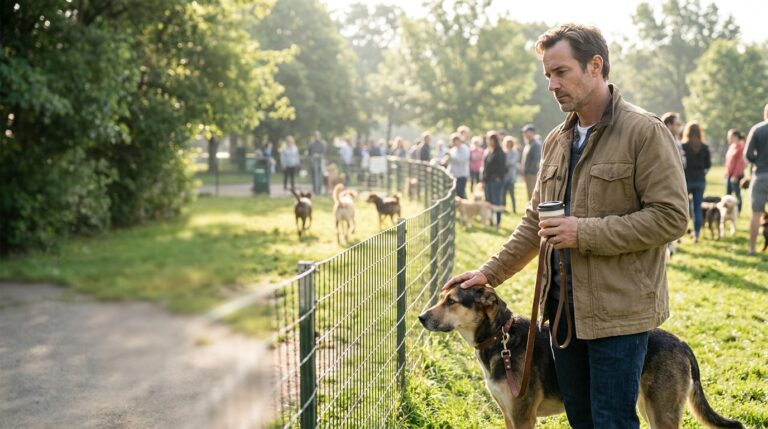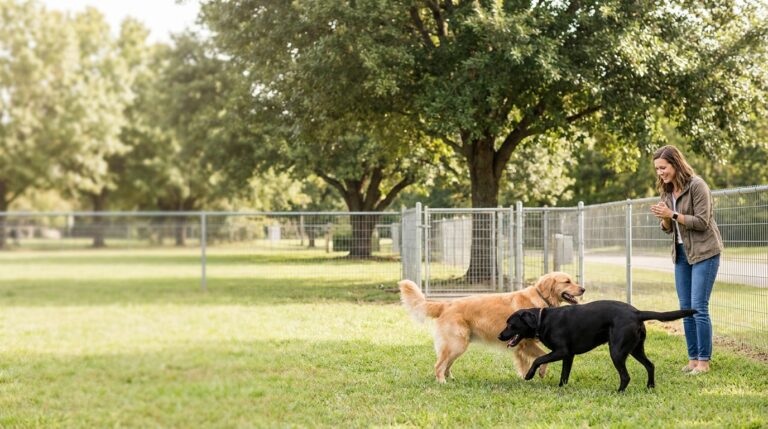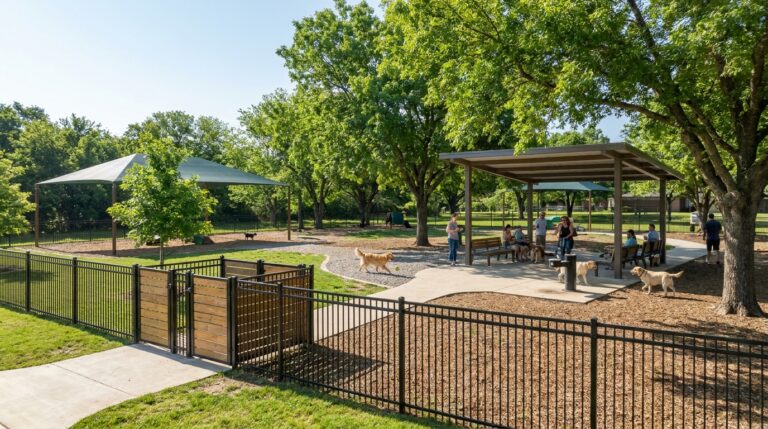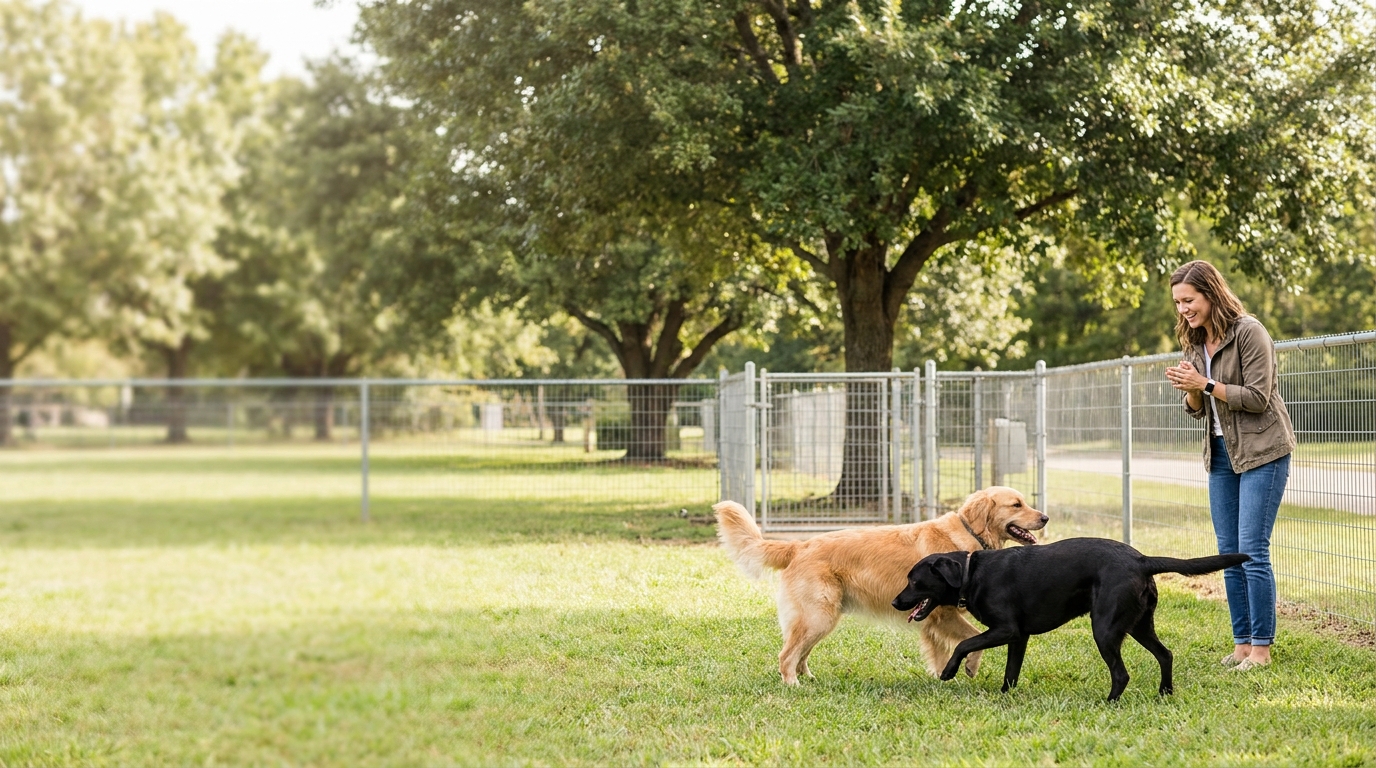
Dog parks can give dogs room to run, play, sniff, and interact without a leash, but a fenced space does not automatically create a safe or enjoyable experience. The quality of a dog park visit often depends on something the city cannot build into the landscape: responsible behavior from the people using it.
Good dog park etiquette means more than picking up waste and closing the gate. Owners need to decide whether their dog is a good candidate for off-leash group play, supervise interactions instead of becoming distracted, respect size restrictions, manage toys and food carefully, and recognize when it is time to leave.
In 2026, those basics remain especially important as communities continue adding and improving off-leash areas. More dog parks mean more owners with different levels of experience sharing the same space. Knowing the unwritten rules can help reduce conflicts before they start.
This guide covers practical dog park etiquette for everyday owners. For a broader preparation routine, also review our Dog Park Safety Guide and Dog Park Safety & Behavior Guide.
Good Dog Park Etiquette Starts Before You Enter
Responsible dog park behavior begins before the leash comes off. The first question is not whether your dog wants to run. It is whether your dog is healthy, comfortable, responsive, and appropriate for the environment you are about to enter.
The American Kennel Club recommends considering a dog’s vaccination status, health, temperament, basic obedience, and comfort around unfamiliar dogs before using an off-leash park. It also advises owners to observe the park itself before entering. You can read its full guidance in the AKC dog park etiquette and safety guide.
Decide Whether Your Dog Should Visit Today
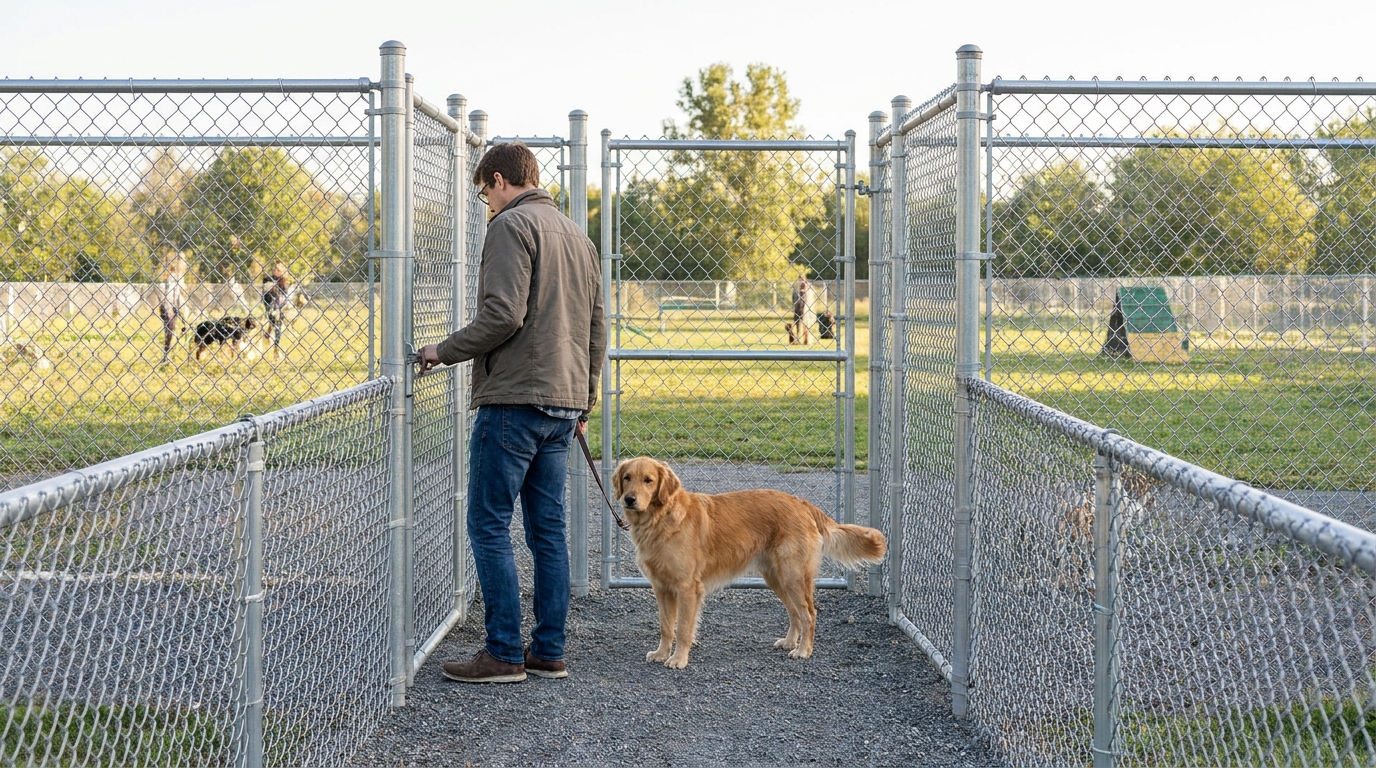
Not every dog belongs at a dog park, and even a dog that usually enjoys off-leash play may have days when staying home is the better option.
A sick dog should not enter a shared play area. Coughing, vomiting, diarrhea, unusual tiredness, or other signs of illness are reasons to skip the park. Puppies that have not completed the vaccination schedule recommended by their veterinarian also need special consideration because dog parks create contact with unfamiliar dogs and contaminated environments.
Temperament matters just as much as health. Dogs that are highly fearful, reactive, aggressive toward unfamiliar dogs, or prone to guarding toys, water, or owners may find a crowded dog park stressful rather than enjoyable.
Know Your Dog Instead of Following the Crowd
One of the most useful dog park rules is accepting that dogs are individuals. A friendly dog does not automatically enjoy large groups of strange dogs. A dog that loves one-on-one play may become overwhelmed when five dogs rush over at once.
Watch what your dog communicates. Hesitating at the entrance, repeatedly hiding behind you, trying to leave, becoming unusually stiff, or refusing to engage can all tell you that today’s environment is not working.
If you are uncertain how to distinguish relaxed play from stress, review our guide to dog park behavior and body language. Choosing not to enter is responsible ownership, not a failed outing.
Practice Better Gate Etiquette
The entrance is one of the easiest places for excitement to become tension. Dogs already inside may rush toward a newcomer while another owner is trying to maneuver through the gate.
If several dogs are crowding the entrance, wait outside. Give the group time to disperse instead of pushing your dog directly into a wall of excited animals.
At a double-gated park, enter the transition area, close the exterior gate completely, and then prepare to enter the main enclosure. Never hold both gates open at the same time. If another person is already using the transition area, give them space rather than squeezing multiple unfamiliar dogs into a confined vestibule.
Our article on what makes a dog park safer explains why double-gated entrances and thoughtful park layouts can support better transitions.
Stay Present While Your Dog Is Playing
Once inside, your main responsibility is still your own dog. Dog parks are social spaces for people too, but talking with other owners should not replace supervision.
Healthy play often includes loose bodies, curved movement, play bows, pauses, role reversals, and dogs voluntarily returning to each other. Problems can begin when one dog does all the chasing, another is repeatedly pinned, a dog cannot escape attention, or excitement continues increasing without breaks.
You do not need to wait for a fight before intervening. Calling your dog away for a short reset can be enough to lower intensity. If your dog repeatedly ignores recalls at the park, work on that skill in less distracting environments before relying on it around a large group of dogs.
Put the Phone Away and Watch the Dogs
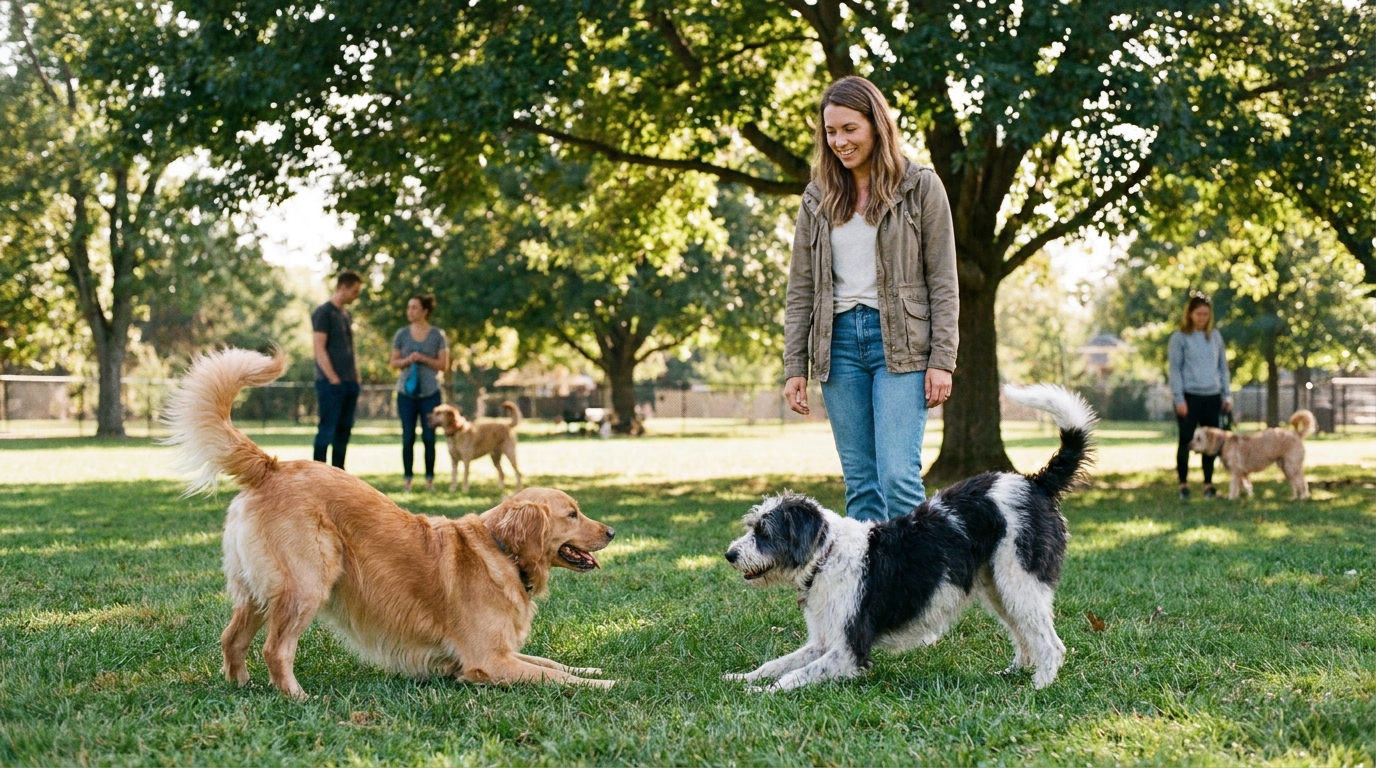
Active supervision is one of the most important pieces of dog park etiquette. A lot can happen during a few minutes spent scrolling, texting, or having a conversation with your back turned.
Keep your dog within view and periodically move around the park instead of sitting in one place for the entire visit. Movement makes it easier to notice where your dog is, who they are interacting with, and whether a play group is becoming too intense.
Be willing to intervene when your own dog is the problem. If your dog repeatedly mounts another dog, body-slams smaller dogs, guards an owner, relentlessly chases a dog trying to escape, or ignores another dog’s requests for space, it is your responsibility to interrupt the behavior.
Responsible etiquette is not about proving which dog “started it.” It is about noticing a situation before it becomes dangerous.
Be Careful With Toys, Food, and Water
Objects can change the emotional tone of a dog park. A ball that seems harmless may become extremely valuable to a dog that guards toys. Food and treats can attract multiple dogs around one owner and create competition in an otherwise calm group.
Unless park rules say otherwise and you know the environment well, avoid bringing meals or high-value treats into the main play area. If you bring a toy, understand that another dog may take it and that not every dog will willingly give it back.
Water deserves attention too. Hydration is important, especially during warm weather, but communal bowls may be used by many unfamiliar animals. Bringing your own clean bowl and fresh water is a simple precaution. See our article Are Shared Water Bowls at Dog Parks Safe? for more information.
During hot weather, take frequent rest and water breaks instead of letting a highly excited dog run continuously. Our Dog Park Heat Safety Guide explains how heat, humidity, and hot surfaces can turn ordinary play into a health risk.
Responsible Owners Also Know When It Is Time to Leave
Some owners treat leaving the dog park as something that happens only after a serious problem. A better approach is to leave while the experience is still positive.
Dogs become tired, overstimulated, frustrated, and less socially flexible just like people do. A dog that played beautifully for the first 20 minutes may make poorer decisions after another half hour of nonstop activity.
The AKC advises owners not to stay too long and notes that even a relatively short visit may provide plenty of exercise and play. If your dog begins staying near you, waiting by the gate, repeatedly seeking breaks, or losing interest in other dogs, respect those signals.
Leave Before a Small Problem Becomes a Big One
There is no prize for staying until the park closes. If the environment changes, your plan can change too.
Leave if a large, chaotic group arrives and overwhelms your dog. Leave if another owner will not manage a dog that is repeatedly targeting yours. If your own dog becomes too aroused to respond to you. The weather becomes too hot, the park becomes overcrowded, or you simply no longer feel comfortable with the situation.
When leaving, calmly collect your dog and move toward the exit rather than waiting until your dog is completely exhausted. Attach the leash in the designated transition area whenever the park layout allows it, and make sure gates close securely behind you.
Always pick up your dog’s waste before you go. Good etiquette also means leaving the space as clean as you found it. If you notice broken fencing, malfunctioning gates, overflowing trash, unsafe standing water, or another infrastructure problem, consider reporting it to the park agency rather than assuming someone else will.
dog parks
And remember that dog parks are optional. Dogs can exercise and socialize through structured walks, hikes, training classes, one-on-one play with compatible dogs, dog sports, sniffing activities, and other enrichment. A dog does not need to enjoy dog parks to have a full and healthy life.
The best dog park etiquette in 2026 is still built on simple habits: know your dog, follow posted rules, respect separate play areas, control the gate, supervise actively, clean up waste, use caution with food and toys, bring fresh water, and leave when the experience stops being positive.
Those habits work best when combined with a safe environment. Use our Find a Dog Park resource when exploring new locations, review the Dog Park Safety Guide before your next visit, and remember that responsible ownership is what turns a fenced area into a better shared space for everyone.