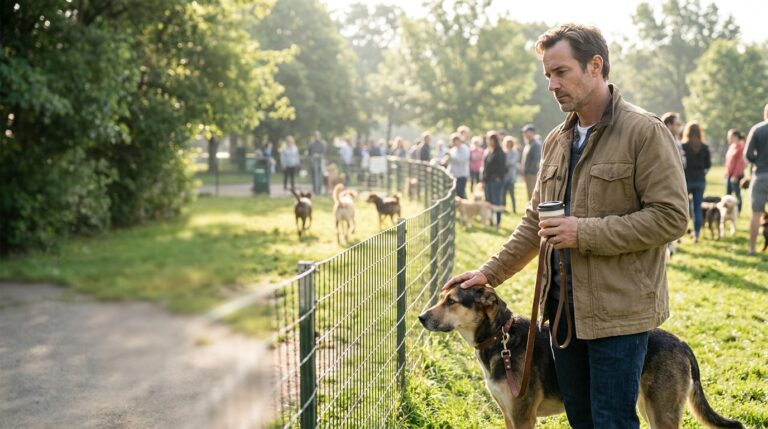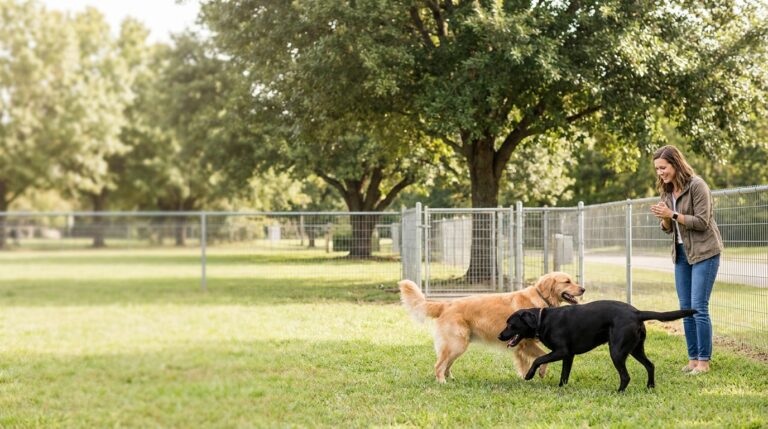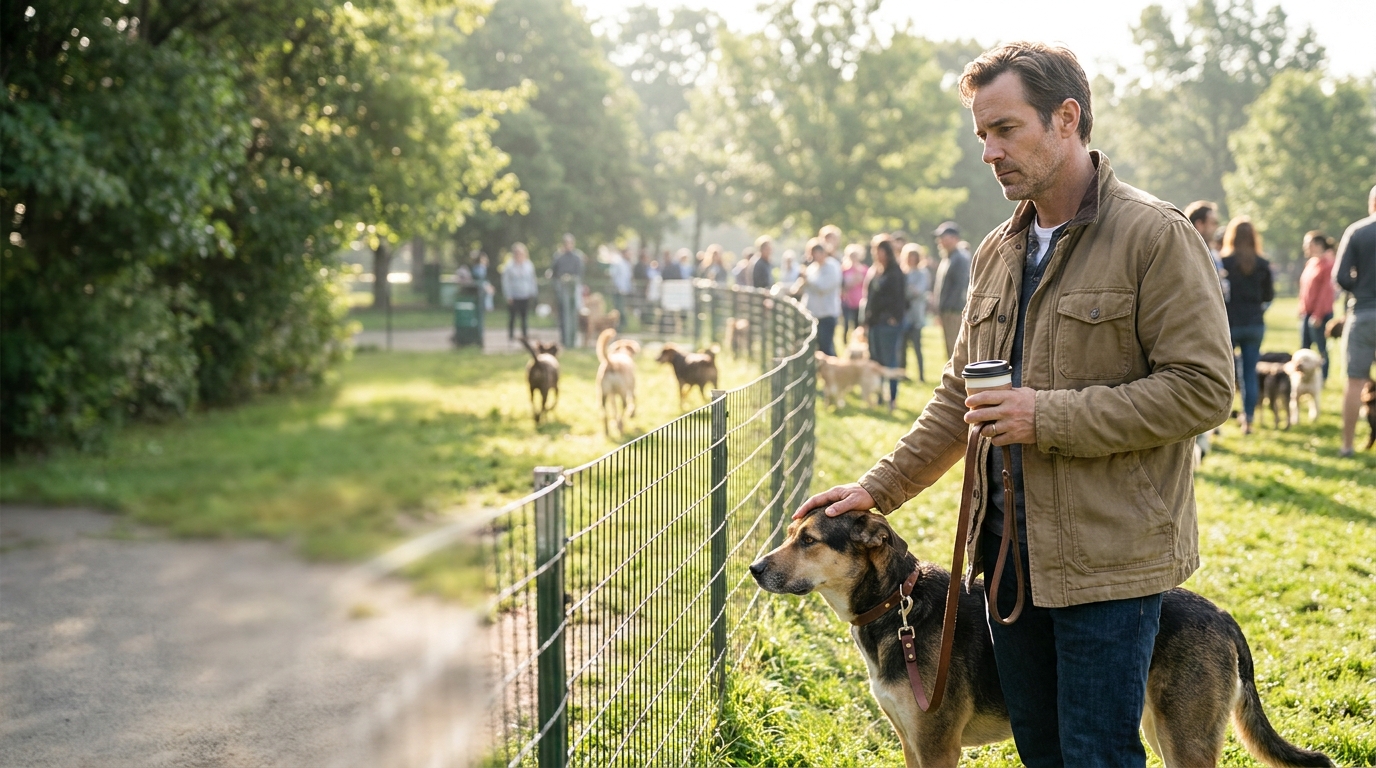
Dog parks are often presented as the ultimate place for dogs to exercise, socialize, and burn off energy. For some dogs, they can be enjoyable. For others, a busy off-leash environment filled with unfamiliar dogs may create stress, fear, conflict, or simply a bad experience.
The important question is not whether dog parks are good or bad. It is whether a particular dog park, on a particular day, is a good fit for your particular dog.
A dog that happily plays with one familiar friend does not necessarily want to interact with a dozen strangers. A dog that enjoyed dog parks as an adolescent may become more selective as an adult. Even a normally social dog can have a day when illness, fatigue, heat, crowding, or an overly intense group makes skipping the park the smarter choice.
Responsible dog ownership includes recognizing when not to enter. Use this guide together with our Dog Park Safety Guide and Dog Park Safety & Dog Behavior Guide to decide whether off-leash group play is appropriate for your dog.
When Dog Parks Are Not a Good Fit
Dog parks create an unpredictable social environment. You generally cannot choose which dogs arrive, how those dogs play, whether their owners supervise closely, or how crowded the park becomes. That lack of control is exactly why suitability matters.
The American Kennel Club explains that shy or nervous dogs may become overstimulated, reactive or aggressive dogs may not welcome interaction with unfamiliar dogs, and dogs that guard owners, water bowls, balls, or sticks may struggle in a communal park environment. The AKC also encourages owners to evaluate both their dog and the park before participating. For additional guidance, see the AKC guide to deciding whether your dog should visit a dog park.
Health, Age, and Readiness Matter
Behavior is not the only reason to stay home. A dog needs to be physically ready for a shared off-leash environment too.
Sign 1: Your dog is showing signs of illness. A dog that is coughing, vomiting, experiencing diarrhea, unusually tired, or otherwise unwell should skip the park. Shared environments create opportunities for contagious illnesses to spread, and a dog that feels poorly may also have less patience for social interaction.
Sign 2: Your puppy is too young or has not completed the vaccination plan recommended by your veterinarian. Young puppies are still developing physically, socially, and immunologically. A crowded dog park is difficult to control and may expose a puppy to unfamiliar dogs and contaminated surfaces.
Puppies and Dogs That Aren’t Fully Vaccinated
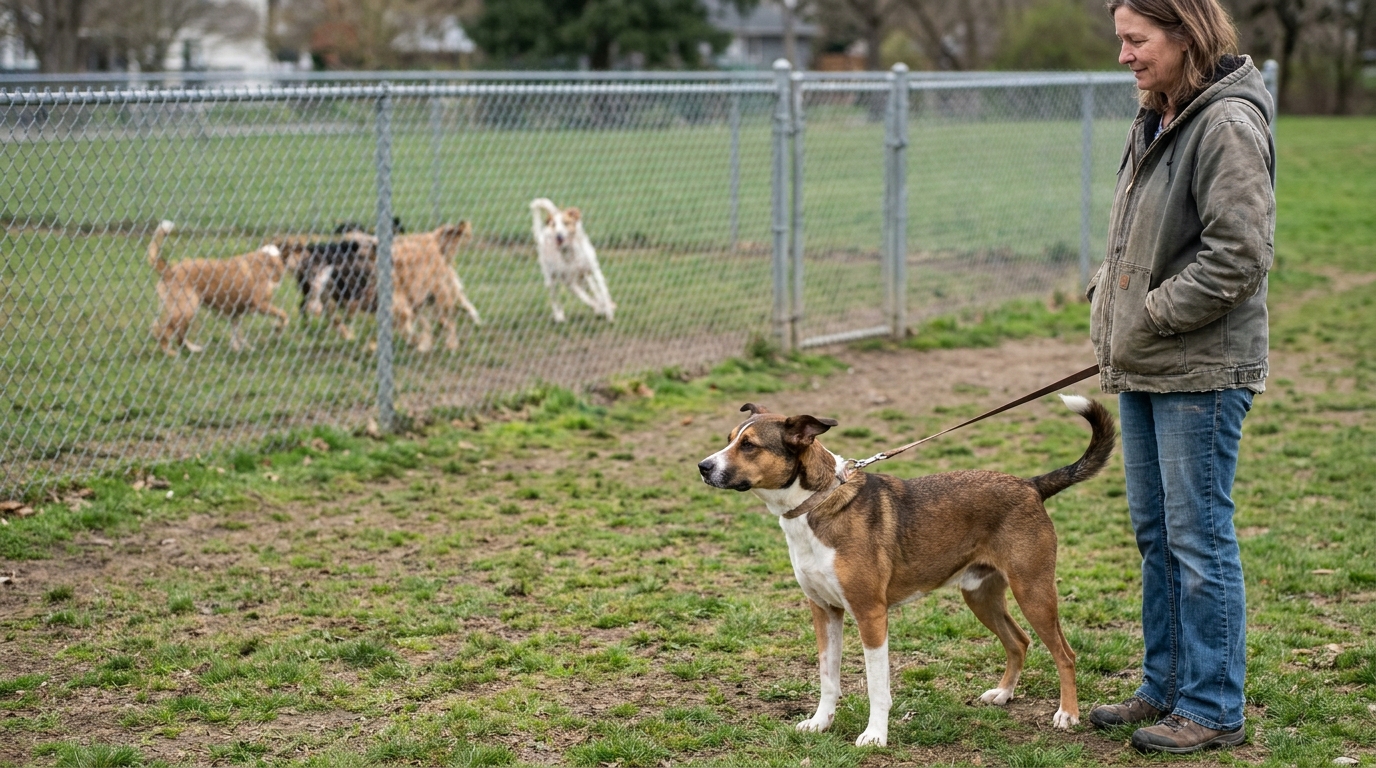
The AKC advises that puppies younger than four months that have not completed their vaccinations should not visit dog parks. It also recommends that dogs using these environments be appropriately vaccinated and protected against common parasites based on veterinary guidance.
Socialization does not require throwing a young puppy into a large group of unknown dogs. Controlled experiences with healthy, compatible dogs can provide a more predictable way to develop social skills. Training classes, carefully managed puppy groups, and play with known dogs may be better options.
Young dogs can also be overwhelmed by boisterous adults. One frightening interaction may have a bigger behavioral impact than owners expect. The goal of socialization is positive exposure, not simply maximum exposure.
Illness, Heat, or Physical Discomfort
Sign 3: The weather or your dog’s physical condition makes intense exercise risky. Heat, humidity, hot surfaces, injury, fatigue, and underlying medical problems can all change whether a park visit makes sense.
A dog that normally plays for 30 minutes may struggle much sooner on a hot afternoon. Flat-faced breeds, older dogs, overweight dogs, and dogs with breathing or cardiovascular conditions can require additional caution. Review our Dog Park Heat Safety Guide before heading out during warm weather.
Do not use excitement as evidence that your dog is physically ready. Many dogs will continue trying to play even when they should rest. Owners need to make that decision for them.
Behavior Can Tell You the Park Is Too Much
Your dog’s body language before and during the visit can tell you far more than whether their tail is moving. Dogs experiencing stress may hesitate, hide, freeze, become stiff, repeatedly seek their owner, avoid other dogs, or try to leave.
Sign 4: Your dog is visibly nervous around unfamiliar dogs. A shy dog that repeatedly avoids contact is not necessarily going to become more confident because more dogs approach them. Forcing interaction can make the experience worse.
Sign 5: Your dog reacts strongly to unfamiliar dogs. Lunging, explosive barking, snapping, intense fixation, or an inability to disengage are signs that a chaotic off-leash environment may not be appropriate.
Sign 6: Your dog does not respond to you once excited. Your dog does not need competition-level obedience to enjoy a park, but you should be able to regain their attention. If your recall disappears completely around other dogs, safely interrupting a developing problem becomes much harder.
Fear, Reactivity, and Resource Guarding
Sign 7: Your dog guards valuable resources. A dog that guards balls, sticks, food, water, another dog, or even their owner may struggle in an environment where unfamiliar dogs can approach those resources without warning.
Dog parks frequently contain balls, water stations, toys, sticks, benches, and people carrying treats. Owners cannot control what every visitor brings. If resource guarding is a known issue, structured activity in a more predictable setting is often safer.
Fear deserves equal attention. Some nervous dogs do not growl or bark. They may freeze, crouch, hide, lick their lips, avoid eye contact, keep returning to their owner, or stand near the exit. Quiet behavior is not always comfortable behavior.
Current AKC guidance also notes that most adult dogs are not necessarily interested in interacting with every unfamiliar dog they encounter. Many become dog-selective or dog-tolerant rather than universally social. That makes compatible play more important than simply maximizing the number of dogs your pet meets.
Learn more about recognizing healthy versus uncomfortable interaction in our Dog Park Safety & Dog Behavior Guide.
What to Do Instead of Forcing a Dog Park Visit
Skipping the dog park does not mean your dog is missing an essential part of life. Dogs need appropriate exercise, enrichment, social experiences, mental stimulation, and time with their people. None of those requirements depend on entering a public off-leash park.
In fact, choosing an alternative that better suits your dog’s personality can result in a more enjoyable experience for both of you.
Choose Alternatives That Match Your Dog
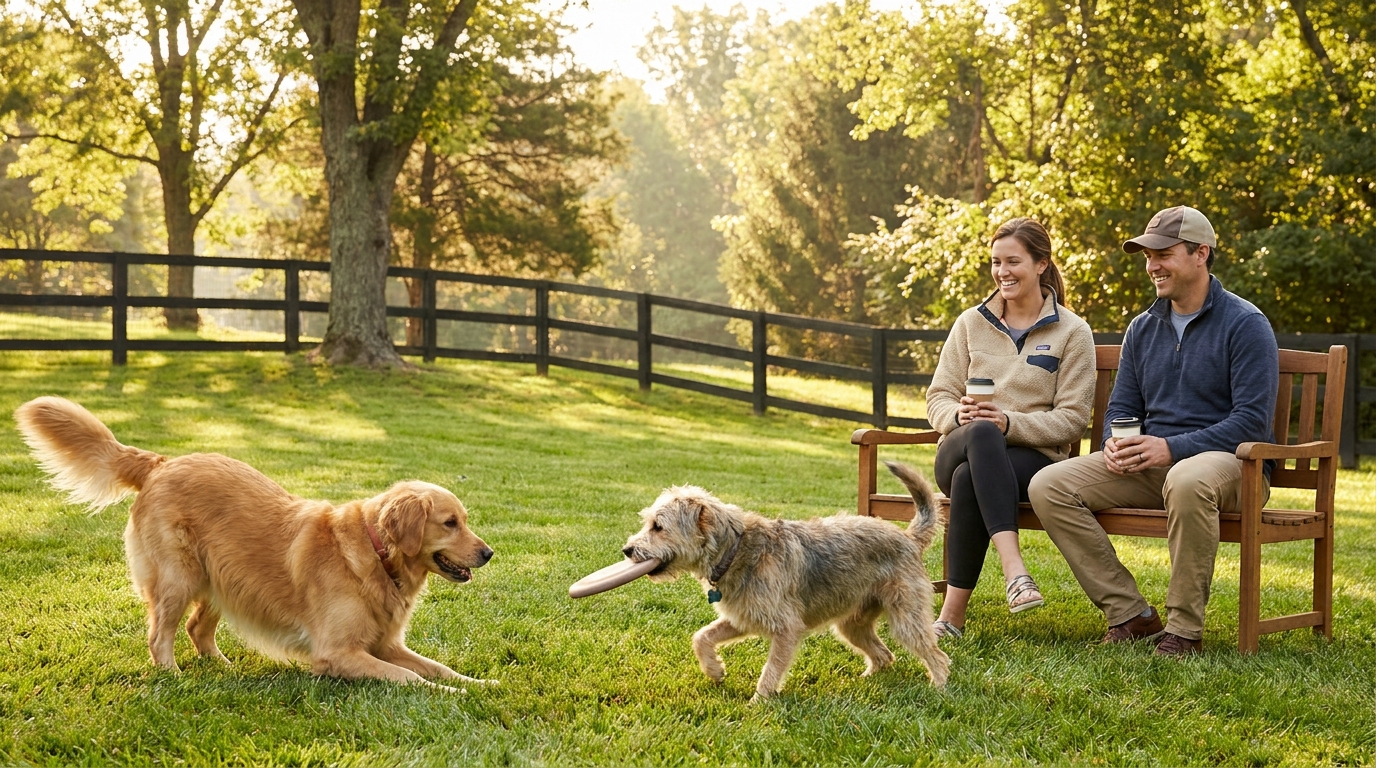
Sign 8: Your dog consistently prefers familiar dogs or people. Some dogs thrive with one or two known playmates rather than a rotating group of strangers. Planned playdates can give owners more control over size, temperament, vaccination status, play style, and the environment.
A dog that enjoys movement but not social interaction may prefer a long sniff walk, hiking trail, structured training session, private fenced area, or canine sport. Dogs that enjoy learning may gain more from scent work, trick training, agility foundations, or food puzzles than from unstructured group play.
If your dog likes other dogs but becomes overwhelmed by large groups, consider walking with another compatible dog or arranging one-on-one play. Socialization does not mean your dog must greet every dog they see. Good social skills include being able to calmly exist around other dogs without interacting.
You can also use our Find a Dog Park resource to look for environments with features that better match your dog. A quieter park, separate small-dog enclosure, larger space, better visibility, or off-peak visit may work much better than a crowded neighborhood park. Our article on safe dog park design features explains what to evaluate.
When to Leave Even After a Good Start
Sign 9: Your dog is telling you the visit is over. A successful park visit can become an unsuccessful one if you stay too long.
Watch for your dog repeatedly returning to you, standing by the gate, losing interest in play, becoming increasingly irritable, struggling to disengage, or showing signs of exhaustion. The AKC recommends respecting these signals rather than keeping a dog at the park until they are completely worn out.
Also leave if the environment changes. Perhaps your dog was comfortable with four relaxed dogs, but then a large, highly excited group arrives. Maybe several dogs begin crowding the entrance, an owner brings food into the play area, rough play starts escalating, or supervision deteriorates. You are allowed to change your decision.
Follow the principles in our Dog Park Etiquette Guide: supervise actively, intervene early, and leave before a manageable situation becomes a serious problem.
Dog parks
If your dog repeatedly struggles around other dogs or you are unsure how to interpret their behavior, consider discussing the issue with a qualified veterinarian or credentialed behavior professional. Sudden behavioral changes can also deserve veterinary attention because pain or medical problems may influence how a dog responds socially.
Dog parks are one option for exercise and enrichment, not a requirement for being a good dog owner. The right choice depends on your dog’s health, age, temperament, behavior, training, preferences, and the environment available that day.
Before entering, ask a simple question: is my dog likely to enjoy this specific situation right now? If the answer is no—or even a strong maybe—choose another activity. A calm walk, familiar playmate, training game, or quiet day at home may be exactly what your dog needs.
For your next outing, review the Dog Park Safety Guide, learn the signals described in Dog Park Safety & Dog Behavior, and remember that one of the most responsible dog park decisions you can make is sometimes deciding not to go through the gate.